'Disclosure Day' (2026): A Breathtakingly Human Paradigm Shift in Modern Sci-Fi
Steven Spielberg returns to sci-fi with an emotionally resonant, kinetic story that prioritizes radical empathy and human connection over blockbuster destruction.


There's a profound, almost spiritual magic that happens when Steven Spielberg (Close Encounters of the Third Kind) returns to the cosmos. As a massive admirer of his filmography and any narrative exploring extraterrestrial life, I found myself completely captivated by how Disclosure Day brilliantly subverts expectations. Instead of falling back on the familiar, destructive tropes of a standard alien invasion flick, the story offers a deeply moving exploration of institutional truth and radical transparency. It serves as a fascinating, unique counterpart to movies like Arrival, focusing entirely on the seismic emotional ripples that such a paradigm-shifting event has on humanity. While the narrative trajectory becomes clear well before the halfway mark, Spielberg doesn't treat the characters' shared past as a cheap twist. The execution relies on a beautifully paced build-up that makes the eventual revelation feel earned and deeply necessary.
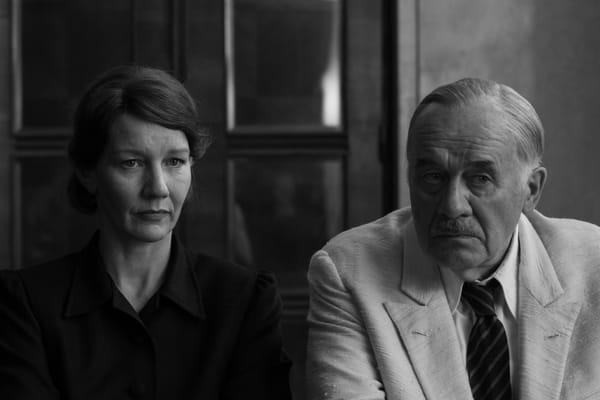
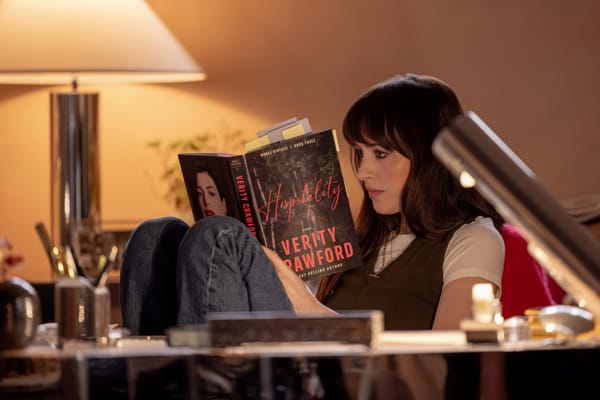
The emotional anchor of this entire journey is Emily Blunt (Edge of Tomorrow), who delivers an exceptionally powerful performance that stands as a definitive high point in her outstanding career. Her portrayal of Margaret Fairchild is raw, fiercely vulnerable, and carries an exhausting dramatic gravity that completely isolates her from the world until she finds an equally compelling counterpart in Josh O'Connor (Challengers). The rest of the ensemble is similarly spectacular. Colman Domingo (Rustin) brings an effortless, elegant trustworthiness to the screen, while Colin Firth (The King's Speech) makes for a genuinely compelling antagonist, despite one particular scene that feels out of character regarding his underlying motivations. Though Eve Hewson (Flora and Son) commands the heart and soul of Disclosure Day through an intriguing religious arc that could have benefited from deeper exploration. However, the absolute standout of the climax is, surprisingly, someone who didn't have a single second of screentime until that very moment: Courtney Grace (The Whistleblower). As a young news anchor tasked with holding the weight of the world, her extraordinary, chill-inducing delivery during the final minutes is what ultimately brought tears to my eyes.
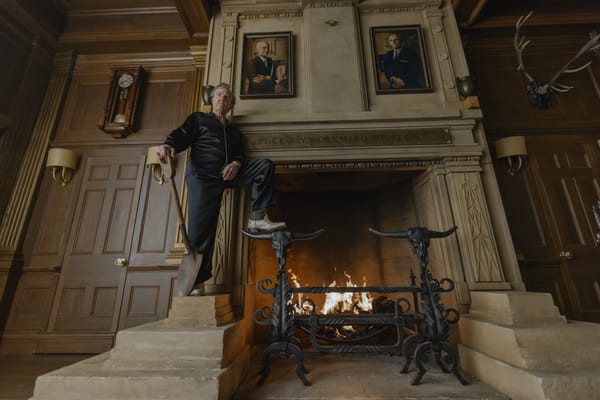
From a technical standpoint, Disclosure Day is a masterclass in kinetic visual storytelling that completely sweeps you away for its entire 145-minute runtime. After a somewhat exposition-heavy beginning, Spielberg hits the accelerator, creating an immersive experience driven by flawless choreography and sweeping long takes that feel incredibly urgent. The camera work by Janusz Kamiński (Schindler's List) feels completely alive, working in perfect harmony with a subtle, beautifully restrained score by John Williams (Star Wars), which expertly utilizes absolute silence to maximize the tension. Any minor narrative conveniences or script shortcuts quickly pale in comparison to the sheer emotional power of the final act.
It reminds us that cinema, at its absolute best, is an empathy machine capable of making us look up at the universe with a renewed sense of wonder and hope.
Rating: A-