‘Godzilla Minus Zero’ (2026): A Thrilling Sequel That Lands Just Below ‘Minus One’
Stunning VFX and brutal kaiju fights make this a worthy follow-up, even if the emotional impact doesn’t match its predecessor.

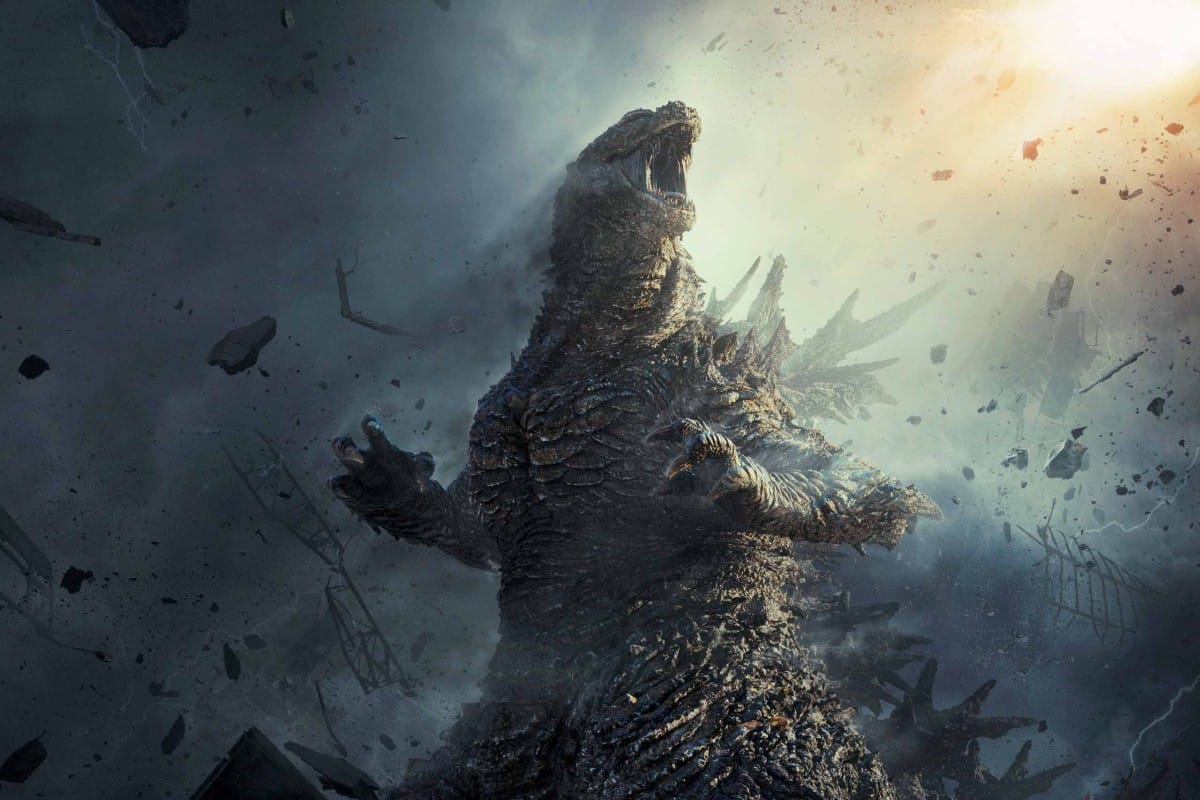
Watching Godzilla Minus Zero on my TV instead of an IMAX screen still stings a little, but going to a theater just wasn’t possible this time. My expectations stayed high regardless. Godzilla Minus One earned a place in my Top15 of its year, and plenty of people who adored it kept saying they loved this one even more. So I pressed play, hoping Takashi Yamazaki (The Eternal Zero) had made one of my favorite movies of 2026.
On the monster front, it absolutely delivers. The kaiju fights are brutal and heavy, and some of the best moments come when humans take on Ghidorah directly, with plans and planes that feel desperate rather than heroic. The ending is incredibly entertaining. Handling the visual effects himself again, Yamazaki makes every creature feel enormous and physical, from Ghidorah’s unsettling evolutions to beams that light up the entire frame. Godzilla showing up late didn’t bother me either. The best films in this franchise often keep him off-screen for long stretches, and there’s a lot of Ghidorah to fill the gaps. The score by Naoki Sato (Rurouni Kenshin) and the sound design are just as massive, and even without a theater’s low end shaking my seat, I enjoyed the hell out of them. The franchise’s first R rating mostly adds some monster blood, which didn’t change much for me.
Underneath all that destruction is a story about people who finally got back to zero and are terrified of losing it again. Japan is rebuilding, and Kōichi Shikishima (Ryunosuke Kamiki, Your Name.) now has a home with Noriko (Minami Hamabe, Shin Kamen Rider) and their daughter, Akiko (Sae Nagatani, Godzilla Minus One). The man who once felt guilty for surviving the war now feels responsible for staying alive, and every pull back toward the fight puts at risk the family that gave his survival meaning. The interactions with Akiko are heartbreaking, a constant reminder of who all this rebuilding is for. The performances are overall better than in the first movie, although the most memorable work tends to come from secondary and even tertiary characters, like Hidetaka Yoshioka (Always: Sunset on Third Street) as the eccentric Noda or Masami Nagasawa (Our Little Sister) as the gifted meteorologist Aoyama.
The storyline I’ll remember most belongs to Kanji Murakami (Min Tanaka, Perfect Days), a biologist who survived Hiroshima and has carried that anger ever since. His visions of the bombing’s aftermath are some of the most tormenting images in the series, and they tie directly into the film’s sharper politics — American occupiers who see these monsters as potential weapons, and the temptation to answer one atrocity with another. Tanaka’s performance does get a bit cartoonish at times. The melodrama is also still a little too much for me, the same issue I had with Minus One, with certain emotional beats pushed so hard they lose some of their weight.
The emotional impact is where it falls short of its predecessor, and nothing else held me back as much. I stayed invested in these characters, and it’s still emotionally resonant, just not to the same degree. Spreading the story across a bigger ensemble costs it the intimacy that made Shikishima’s journey so devastating the first time. The pacing feels heavier too, especially in a middle stretch full of planning. I like that the humans remain at the center of the climax, but the third act relies on a lot of conveniences and doesn’t hit as hard as the last one. Then there’s Ghidorah. I went in knowing he’d appear, having already seen images of his final form, so much of the surprise was gone before the movie even started. I do blame the film for that, since its own marketing gave it away.
It sits just under Minus One for me. Still, this is a sequel that respects its characters, stages monster fights that are a blast to watch, and keeps the heart of the first flick beating, even if a little softer. I only wish I’d heard that score and felt those fights in a theater.
Rating: B+