'Mortal Kombat II' (2026): Karl Urban Tries His Best in an Otherwise Underwhelming Sequel
Five years after cutting the reboot some slack, I found far less patience for a sequel that finally gives fans their tournament and still can't get out of its own way.

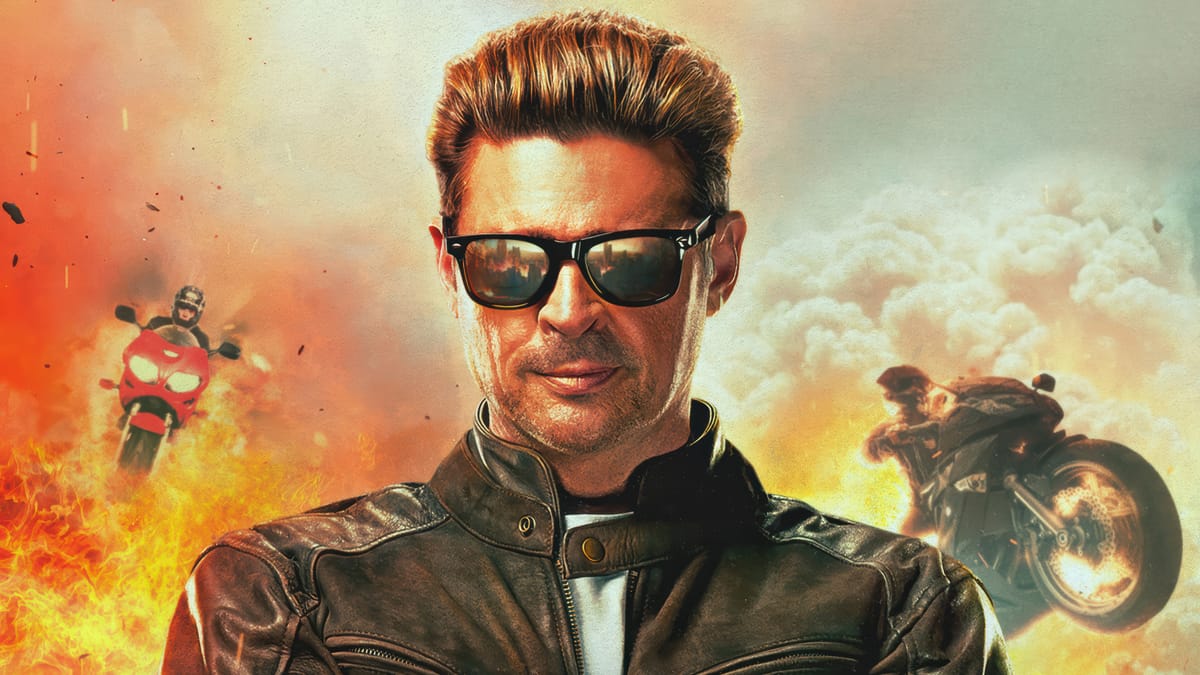
Back in April 2021, I gave the first Mortal Kombat a B-, admitting upfront that I'd barely touched the games beyond a few childhood arcade sessions and had no real stake in getting any of it right — I just hoped the action would compensate for a screenplay I already expected to be forgettable. Reading that review now, five years later, I'm not convinced it survives an honest rewatch; it reads like a verdict built almost entirely out of goodwill toward a movie that never really earned it. Mortal Kombat II hasn't restored that goodwill. If anything, it's made me more skeptical of it: a mixed, often frustrating sequel that fixes one obvious complaint about its predecessor while multiplying nearly every other one.
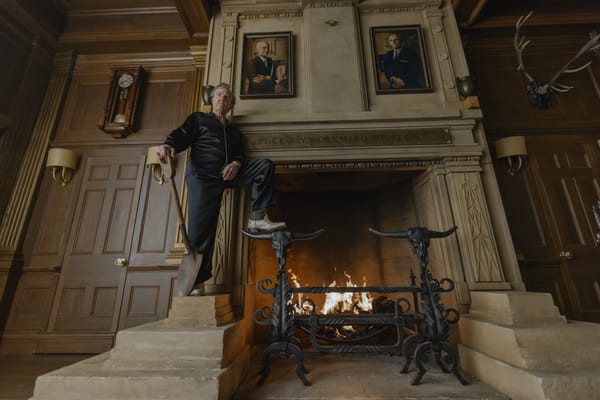
Karl Urban (The Boys) is, without much competition, the reason to actually watch this: his Johnny Cage arrives fully formed, cocky and self-aware in just the right proportions, operating on a level the rest of the cast doesn't reach. Adeline Rudolph (Chilling Adventures of Sabrina) comes closest — her Kitana carries real weight as a woman performing a loyalty she doesn't feel, the only other actor fully attuned to the film's tone. Everyone else lands between serviceable and forgettable: Jessica McNamee's Sonya Blade, Josh Lawson's Kano, and Ludi Lin's Liu Kang do fine, straightforward work without suggesting much was built for them, while Martyn Ford (Kingsman: The Golden Circle) makes an imposing Shao Kahn physically, even if the writing rarely lets him be as threatening as he looks.
The tournament itself is what longtime complainers about the 2021 movie wanted, and to Mortal Kombat II's credit, we finally get one. The trouble is that getting there means cramming in the amulet of Shinnok, Kitana's double life, a small army of resurrected fighters, and enough returning-character business for two films, none of which gets the room it needs to land. Fights that should carry real stakes come and go before you've registered who's fighting whom or why it matters this time, and the structure meant to fix the franchise's pacing problem ends up creating a new one: everything here feels simultaneously overstuffed and undercooked.
Shao Kahn suffers most from that compression: he looks every bit the part, yet spends most of the runtime getting beaten by whoever's nearest, staying alive less through earned menace than through the convenience of an immortality subplot the script needs him to survive. Simon McQuoid still understands the mechanics of a fight scene, and Benjamin Wallfisch's score keeps real momentum going, but the visual effects don't match that craft — striking practical sets keep colliding with CGI backdrops, jarring enough to pull you right out of a scene. And for a viewer who, like me, never fully clicked with the games, whole stretches of lore-servicing exist purely for the crowd that will recognize the reference, without doing the work to make it matter to anyone else.
What's left is a sequel that solved the wrong problem: it gave fans their tournament, but forgot that a tournament without earned stakes is just a highlight reel with better production value. Urban's Johnny Cage deserves a movie built entirely around him instead of squeezed alongside six other subplots fighting for the same runtime — and until this franchise finds a script willing to slow down and let one storyline breathe, no amount of fatalities will make up for that.
Rating: C