'The Drama' (2026): The Agonizing Fragility of Modern Acceptance
An emotionally raw look at how the hyper-judgmental modern world chooses performative virtue over the messy reality of human redemption.

As someone who recently went through the beautiful, chaotic whirlwind of getting married, I found myself deeply susceptible to the specific brand of anxiety anchoring The Drama. Kristoffer Borgli (Dream Scenario) locked me into that familiar, suffocating pressure cooker of the final week leading up to a wedding, amplifying the natural vulnerability of binding your life to another person to an extreme degree. From the opening frames, the film establishes a razor-sharp tone that balances a deeply uneasy atmosphere with a pitch-black comedic edge. Daniel Pemberton (Spider-Man: Into the Spider-Verse) delivers a brilliantly dissonant, sparse score that fits like a glove inside these excruciatingly awkward social interactions, magnifying the tension until it becomes a living entity in the room. This nightmare is heightened further by a remarkably immersive sound design capturing the bride's partial deafness, operating alongside seamless editing that gracefully bridges memories, reality, and frantic imagination without ever losing the audience.
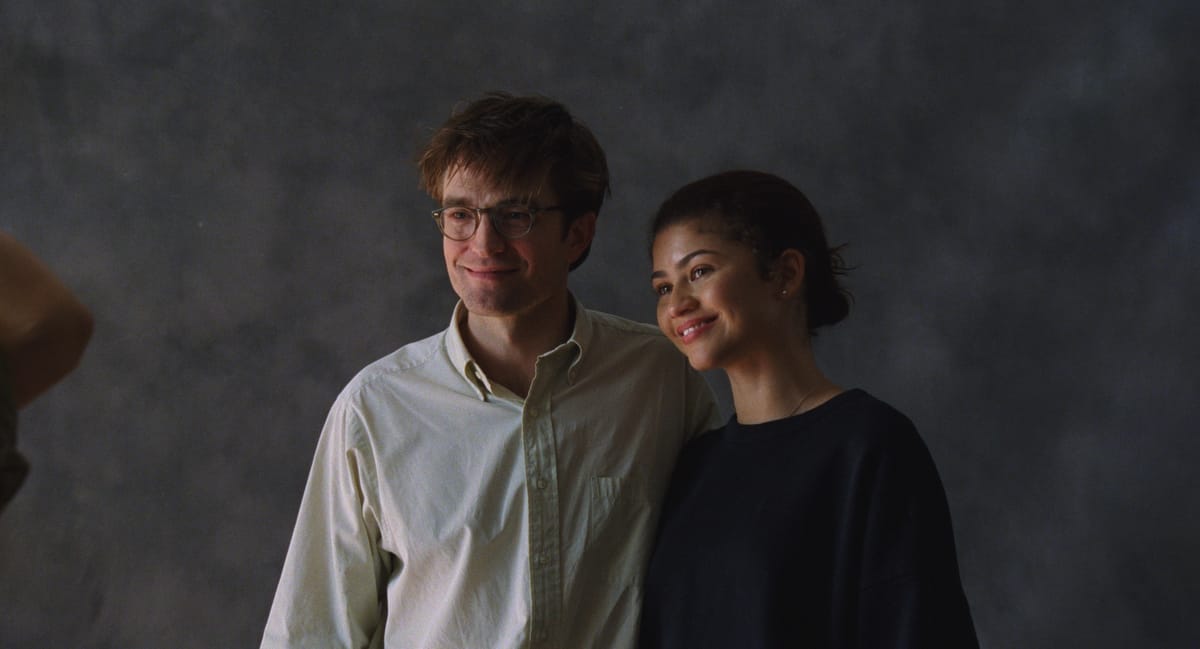
The absolute heartbeat of The Drama belongs to its phenomenal cast, with the lead duo offering exceptional work. Zendaya (Dune) brings a quiet, aching vulnerability to Emma, a woman crushed under the heavy weight of her history, while Robert Pattinson (The Batman) is spectacular as Charlie, a partner completely disoriented by an existential crisis of trust. Yet, the narrative encounters a bumpy road when trying to balance its highly sensitive, triggering subject matter. By using a planned, though crucially unexecuted, teenage mass shooting as the central revelation, the script demands immense emotional heavy lifting. The story becomes somewhat lopsided by dedicating so much real estate to Charlie's frantic, reactionary spiral instead of allowing Emma the space to fully unpack her own complex perspective. There were multiple moments where I desperately wanted to shout at the screen to just let her explain, leaving her genuine arc of personal reckoning feeling slightly sidelined by his masculine panic.
When the inevitable bubble finally bursts during the chaotic wedding climax, The Drama dives headfirst into a frantic, hyperactive farce. The screenplay scrambles to hand Charlie an immediate, artificial moral failing to serve as a direct counterweight to Emma's past, but the thematic parallel never quite crystallizes into something meaningful. Despite these narrative missteps, the underlying resonance of the piece remains incredibly profound. Borgli holds up a mirror to a culture obsessed with performative virtue, exposing how easily society discards the possibility of genuine human redemption in favor of self-righteous judgment. It stands as a vital reminder of how systemic isolation and severe bullying can warp an impressionable mind into seeking horrific vengeance, especially in an environment entirely devoid of common-sense gun control.
True love demands that we find the courage to value the fragile reality of who a person is today over the terrifying ghosts of who they used to be.
Rating: B+